
LEARNING PATH 04 · 25 GUIDES
Design a robot
Work from measurable requirements through mechanics, electronics, control and validation.
Start with: Basic mechanics, algebra and low-voltage electronics. Use current-limited bench supplies and unpowered assemblies before moving mechanisms.
Examples are preliminary engineering models, not a certified design. Protect against stored energy, falling axes, moving tools and electrical hazards. Have mains wiring, safety circuits and final machine compliance handled by qualified people.
From foundations to a working test
25 practical guides
Write measurable requirements before designing a robot
A useful robot specification describes a task in measurable terms: what moves, how far, how accurately and under which conditions. Begin with the required…
Read the practical guide ↗
Choose robot degrees of freedom from the task
Every added axis increases mechanical, sensing and control work. Identify the independent position and orientation variables the task truly needs. A…
Read the practical guide ↗
Estimate gravity torque for a robot shoulder joint
For a vertical-plane arm, the shoulder must support both the payload and the arm itself. Use perpendicular lever arms in the demanding pose, then add…
Read the practical guide ↗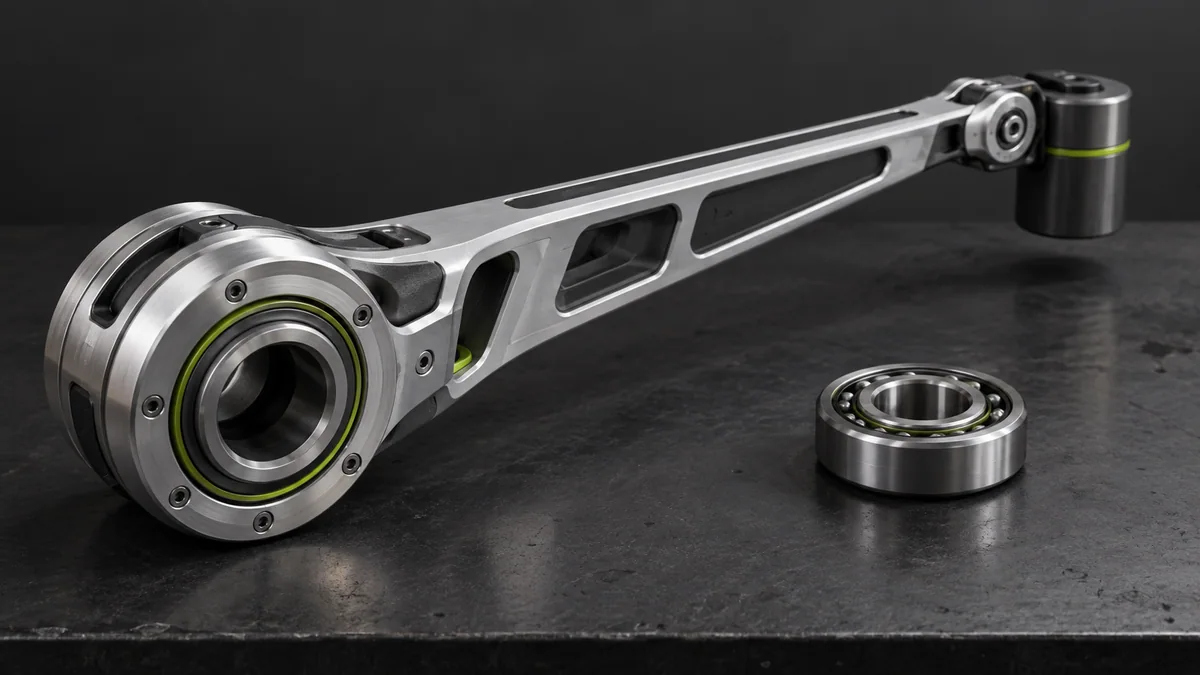
Calculate link inertia before choosing acceleration
Mass location matters as much as total mass when a joint accelerates. A long light link can require substantial torque, and a small payload at the tip can…
Read the practical guide ↗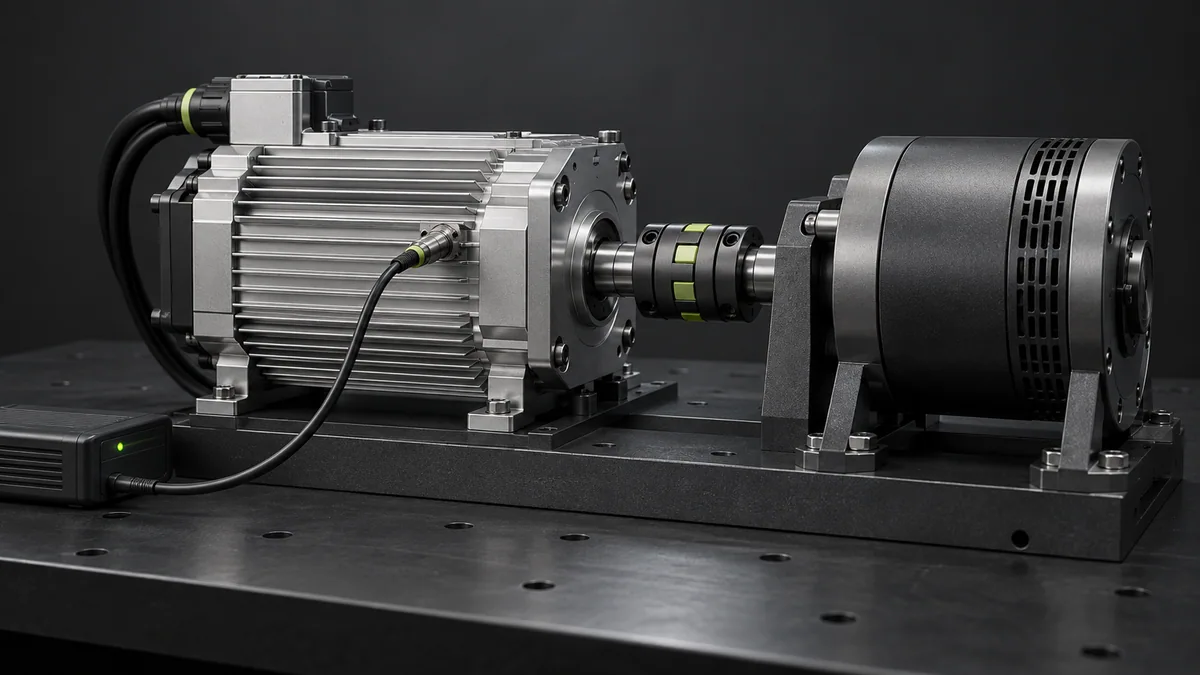
Check motor heating with RMS torque over a duty cycle
A motor may tolerate a brief high torque but overheat during sustained operation. An RMS torque calculation is a useful thermal screening tool when torque…
Read the practical guide ↗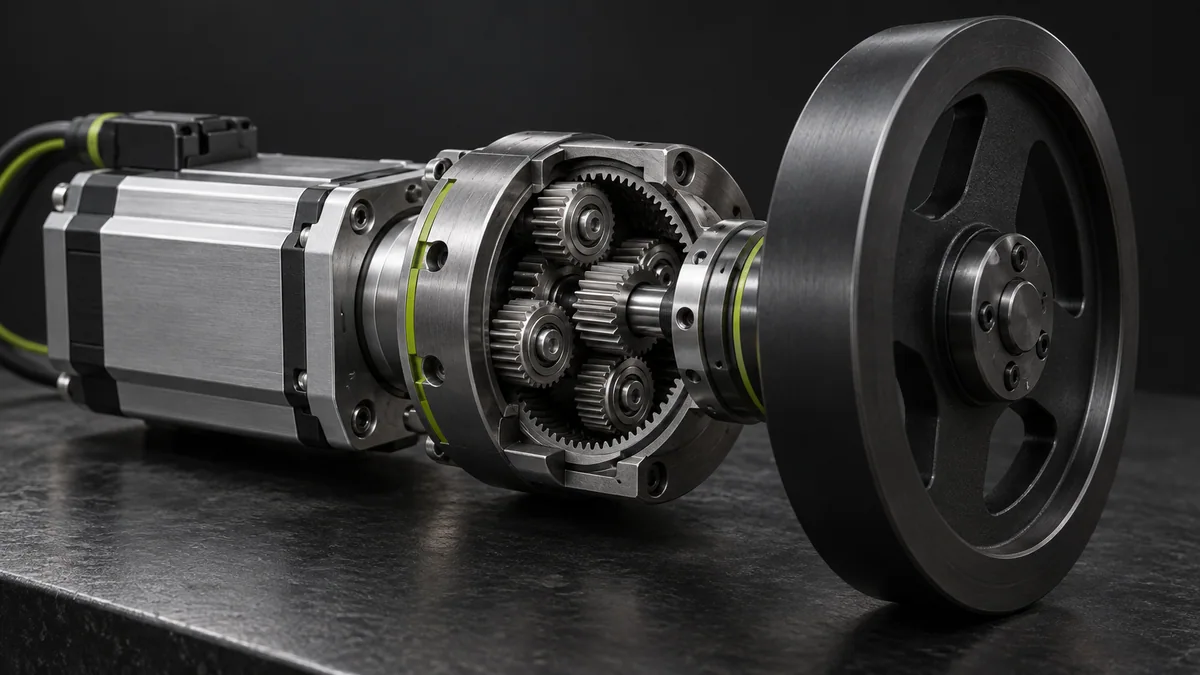
Use gear reduction to understand reflected load inertia
A reduction changes the inertia seen by the motor as well as torque and speed. A simple reflected-inertia calculation helps explain actuator behavior, but…
Read the practical guide ↗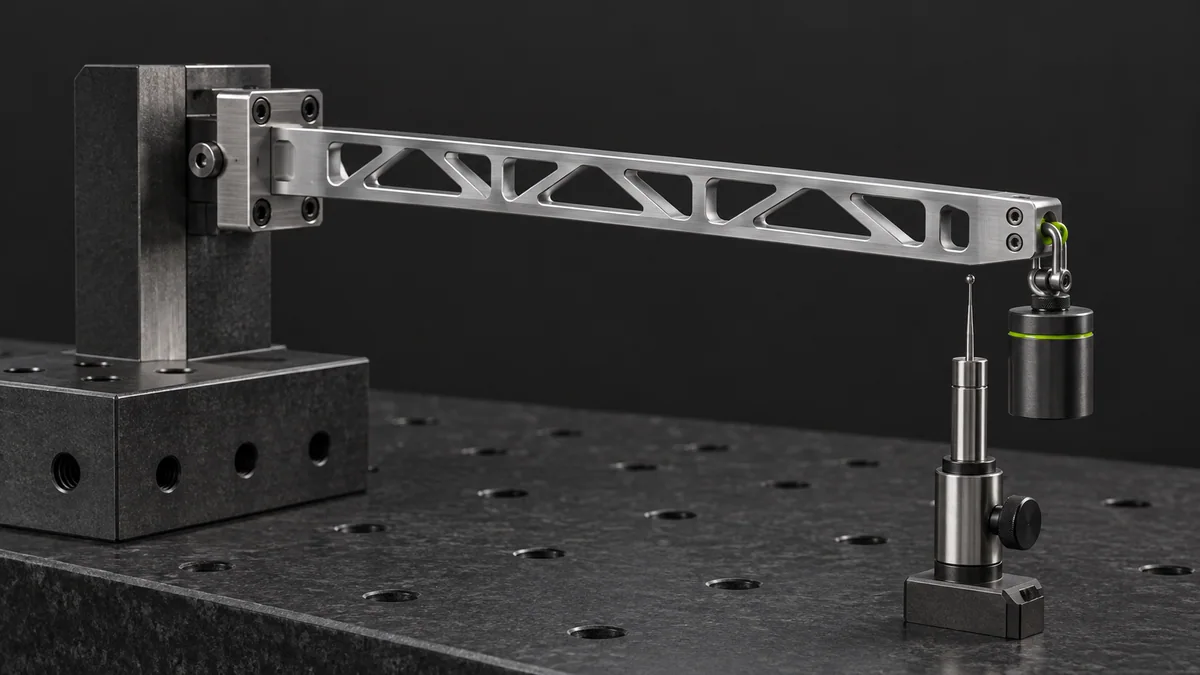
Estimate robot-link bending before adding a larger motor
If a link bends, a stronger actuator may increase force without improving tool accuracy. A cantilever approximation gives an early estimate of stiffness…
Read the practical guide ↗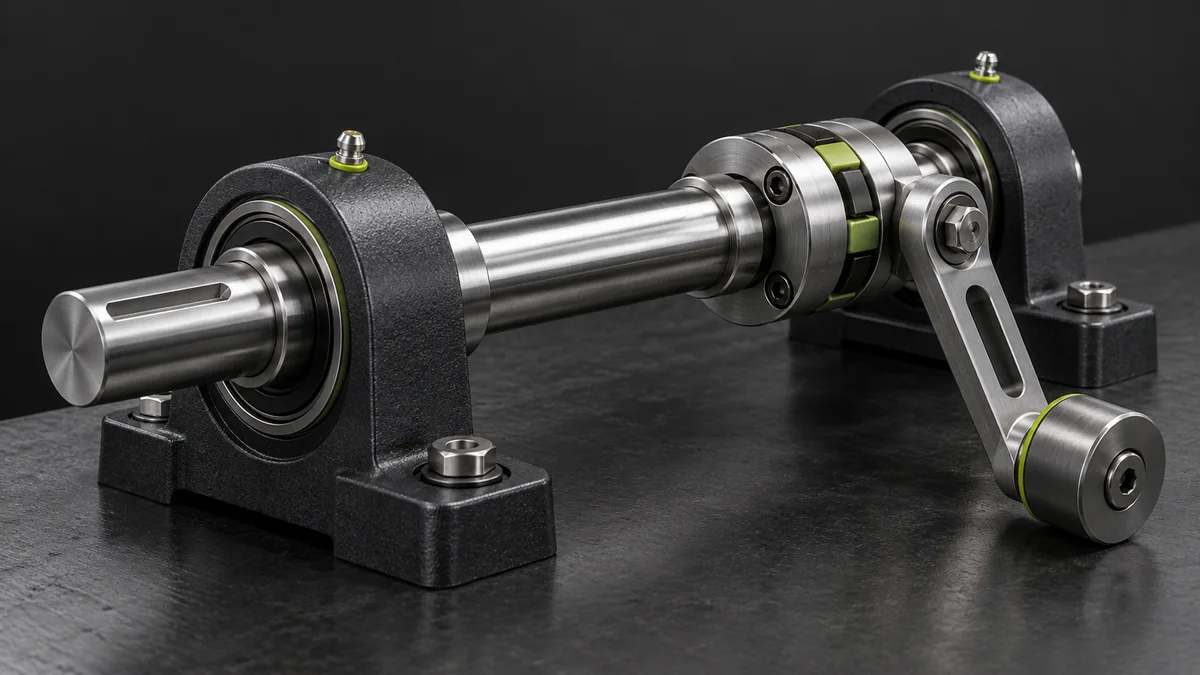
Screen a solid robot shaft for torsional stress
A shaft must transmit torque without excessive stress or twist. A simple circular-shaft formula is useful for comparing diameters, but shoulders, keyways…
Read the practical guide ↗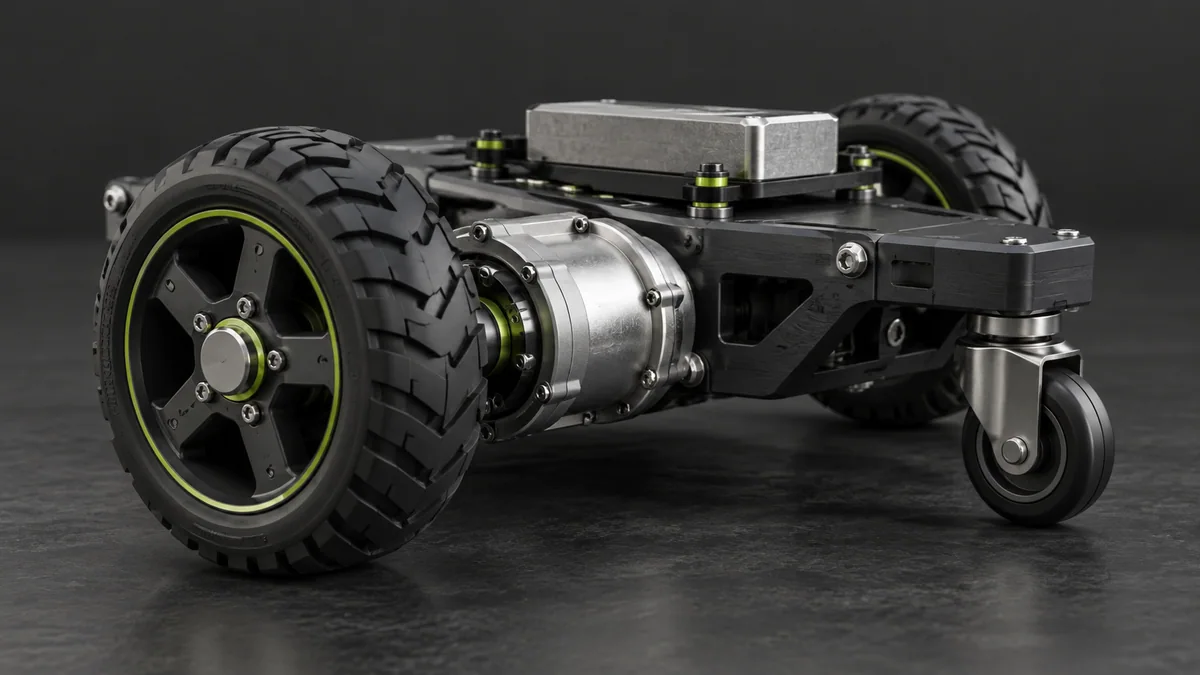
Estimate wheel torque for a small mobile robot
A wheeled prototype needs enough traction and motor torque to accelerate its mass against resistance. Begin with a level-floor force budget, then extend…
Read the practical guide ↗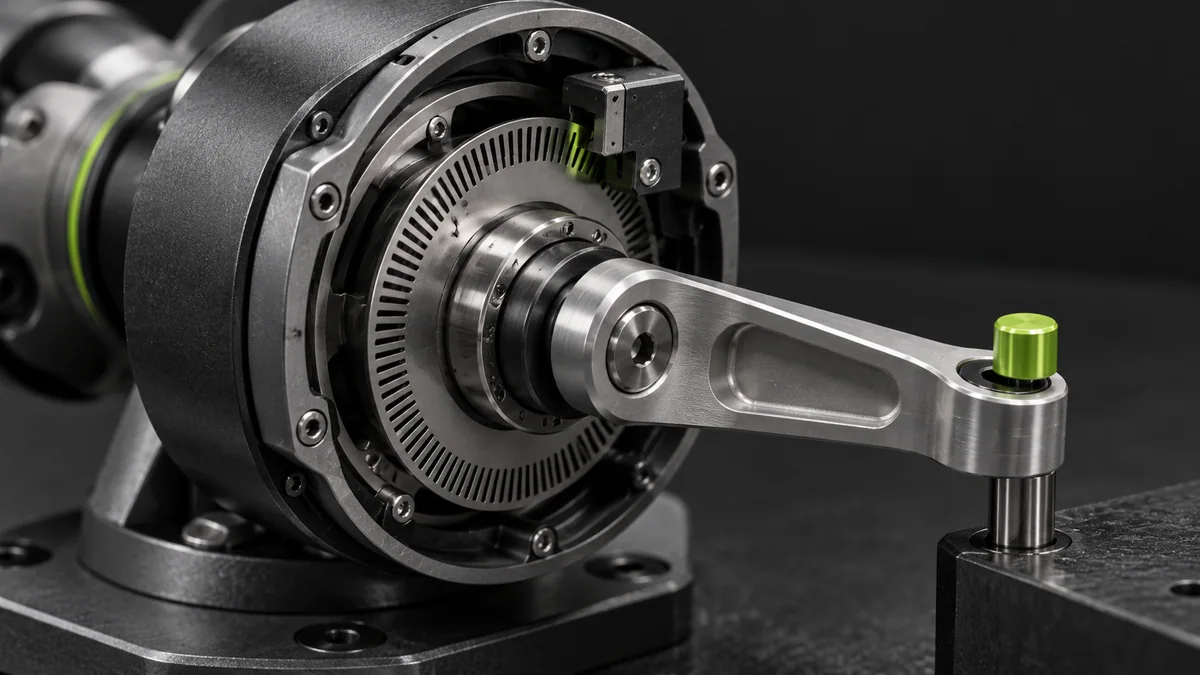
Choose encoder resolution from joint-position sensitivity
Encoder resolution defines the smallest reported angle increment, not the complete positioning accuracy. Convert counts into angular and endpoint…
Read the practical guide ↗
Create a low-voltage robot power budget
A power budget separates steady loads from startup and acceleration peaks. Add controllers, sensors, fans and conversion losses instead of sizing the…
Read the practical guide ↗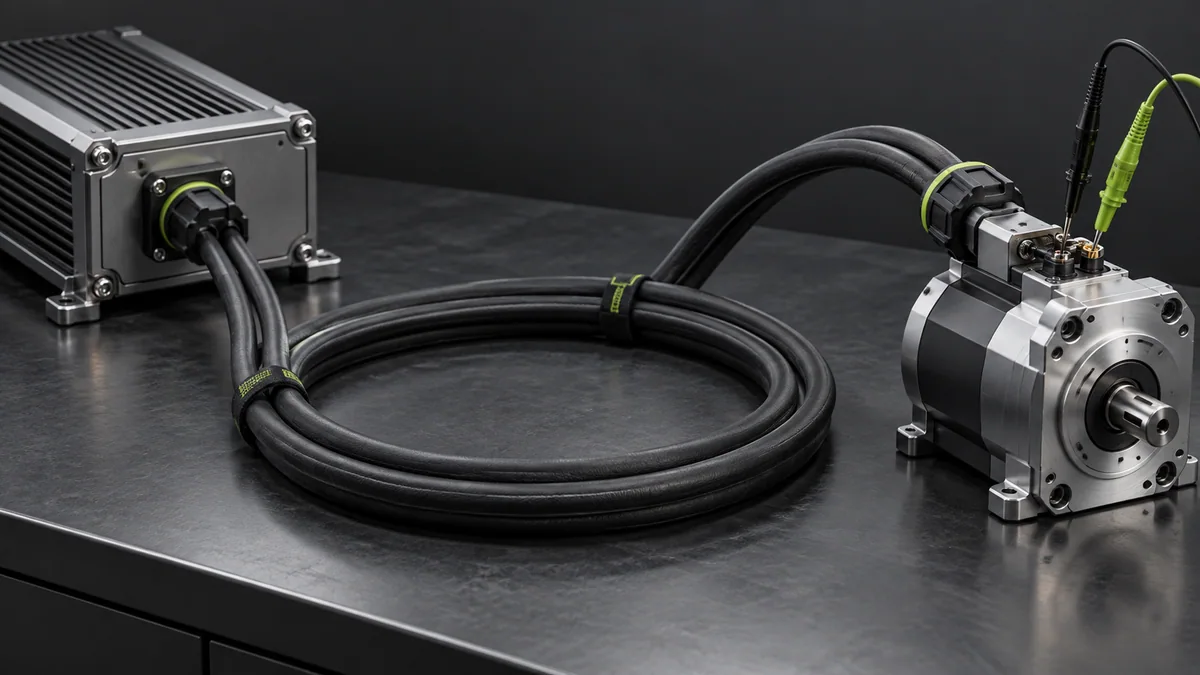
Calculate voltage drop in a robot power cable
A long or thin supply path can cause resets when motors draw current. Estimate the complete round-trip resistance, then measure voltage at the load during…
Read the practical guide ↗
Estimate electronics temperature rise before enclosing a robot controller
A controller that runs cool on an open bench can overheat in an enclosure. A first-order thermal resistance model links power loss to temperature rise. It…
Read the practical guide ↗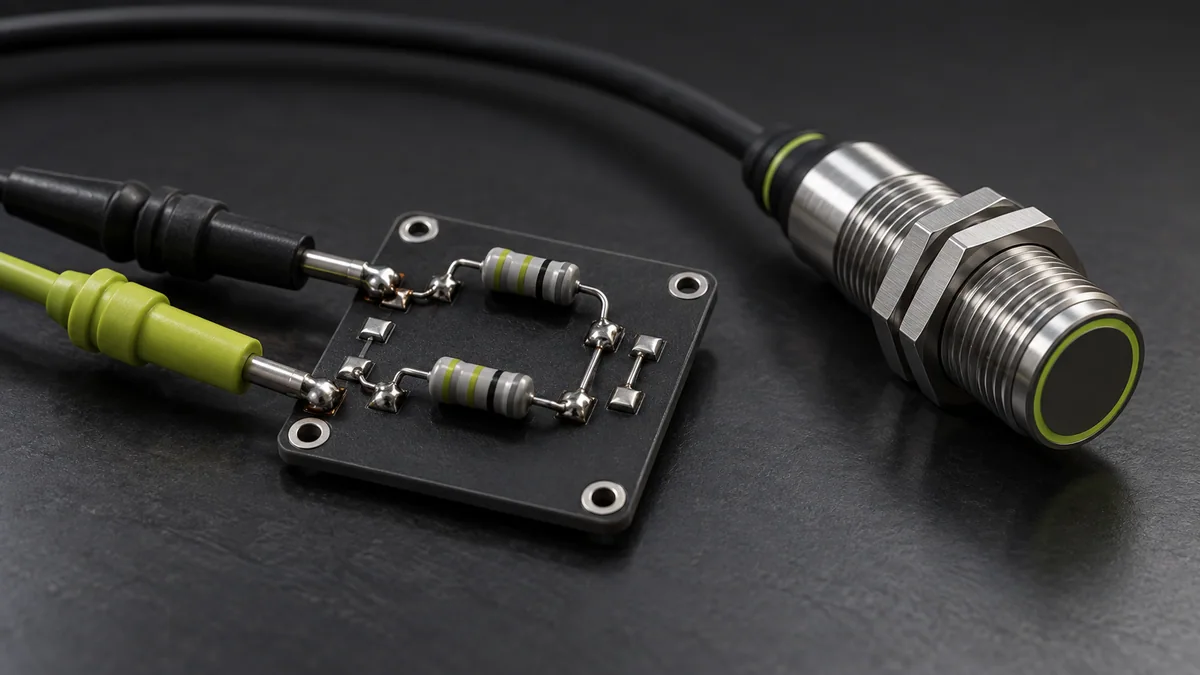
Scale a low-voltage analog sensor with a resistor divider
A resistor divider can scale a known low-voltage analog signal into an ADC range. It does not provide isolation, overvoltage protection or compatibility…
Read the practical guide ↗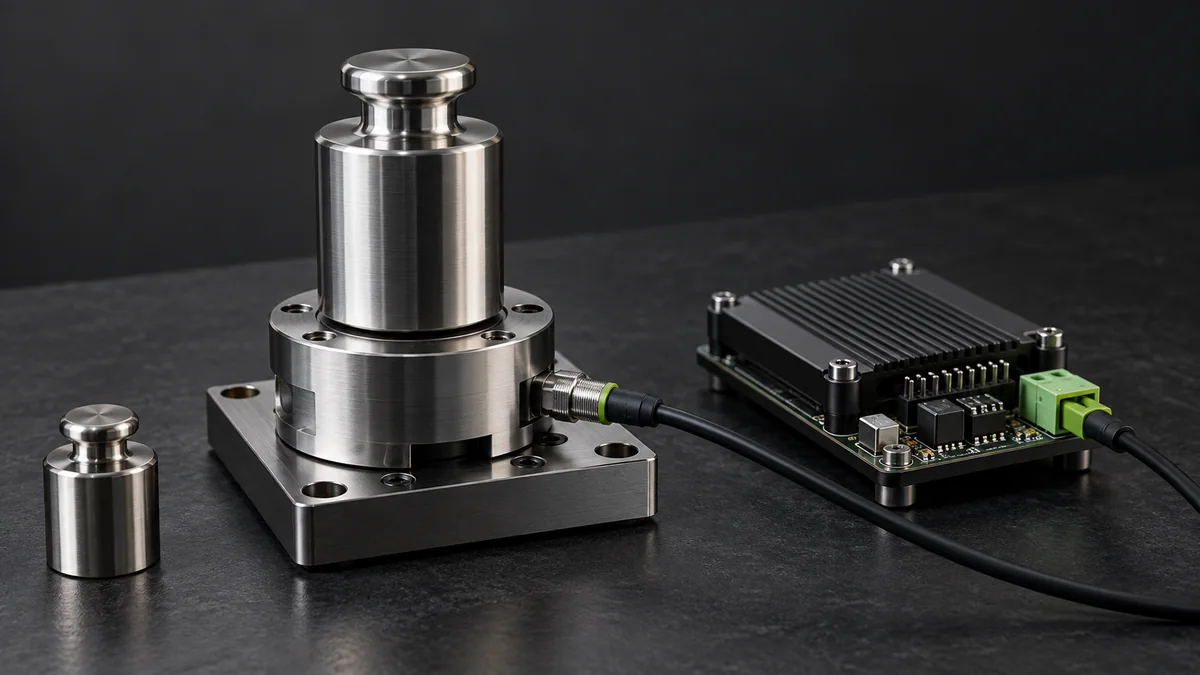
Convert ADC codes into physical sensor units
Raw ADC numbers become useful only after you define reference voltage, sensor transfer function and calibration. Use a clear ideal conversion for…
Read the practical guide ↗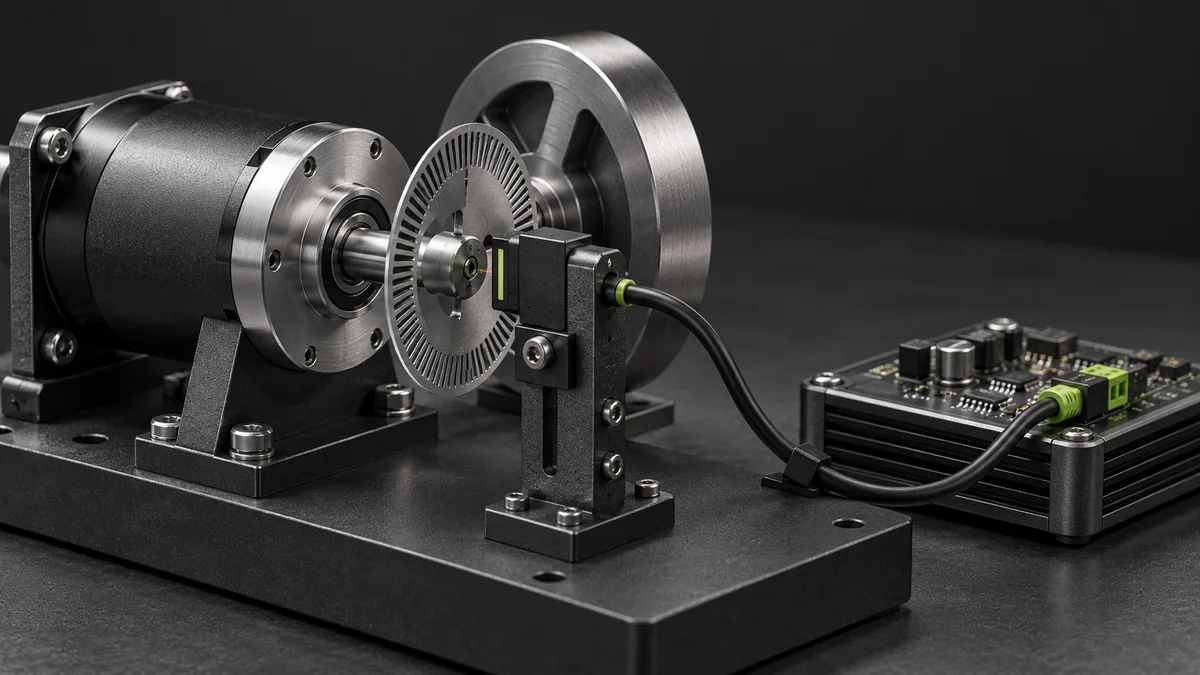
Estimate joint speed from encoder counts
Speed estimation turns count changes over time into angular velocity. Short windows react quickly but amplify quantization; longer windows smooth the…
Read the practical guide ↗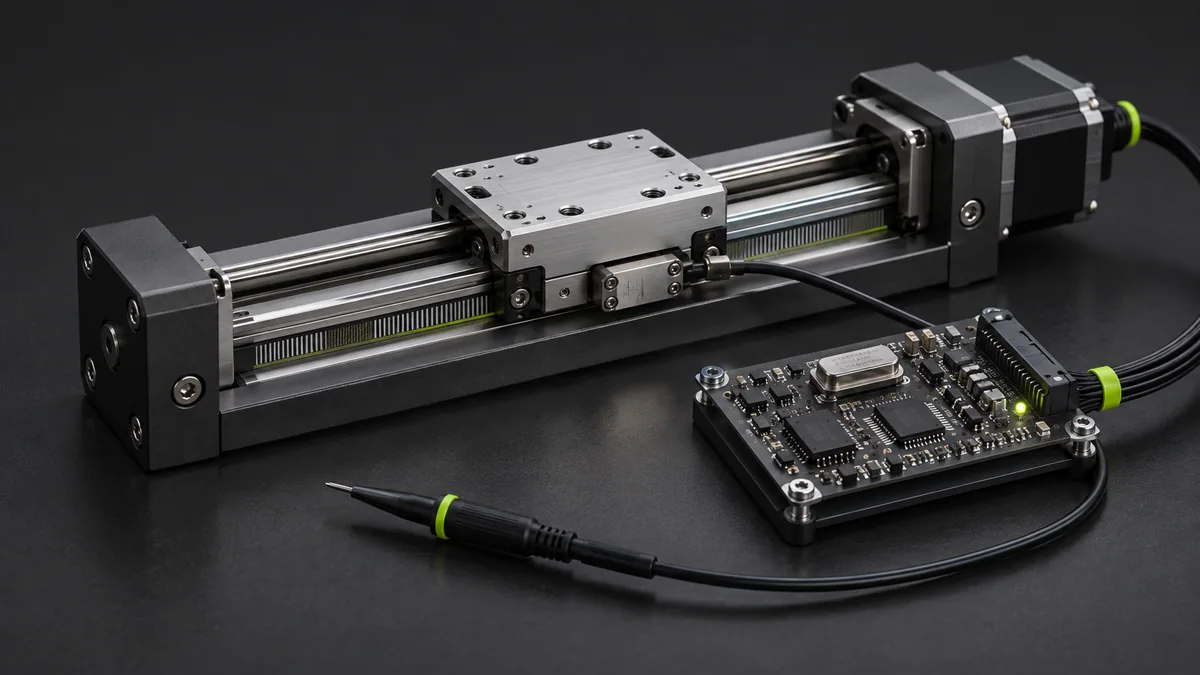
Choose a control sampling rate with delay in mind
A controller needs a sampling period appropriate to the dynamics it is trying to regulate. Nyquist is a signal-reconstruction boundary, not a complete…
Read the practical guide ↗
Understand proportional control with a bounded actuator
Proportional control commands effort in proportion to error. Increasing gain increases response, but physical actuator limits and plant dynamics prevent…
Read the practical guide ↗
Prevent integral windup in a simulated robot controller
Integral action can remove steady error, but it can keep accumulating when the actuator is saturated. When the target changes, that stored integral may…
Read the practical guide ↗
Design a robot process as explicit states
A collection of independent if statements can accidentally allow incompatible actions. A state machine makes allowed transitions visible and provides a…
Read the practical guide ↗
Frame robot serial messages so corrupted data is rejected
A byte stream has no inherent message boundaries. A robust parser needs a bounded length, clear framing, integrity check and timeout. Test it on stored…
Read the practical guide ↗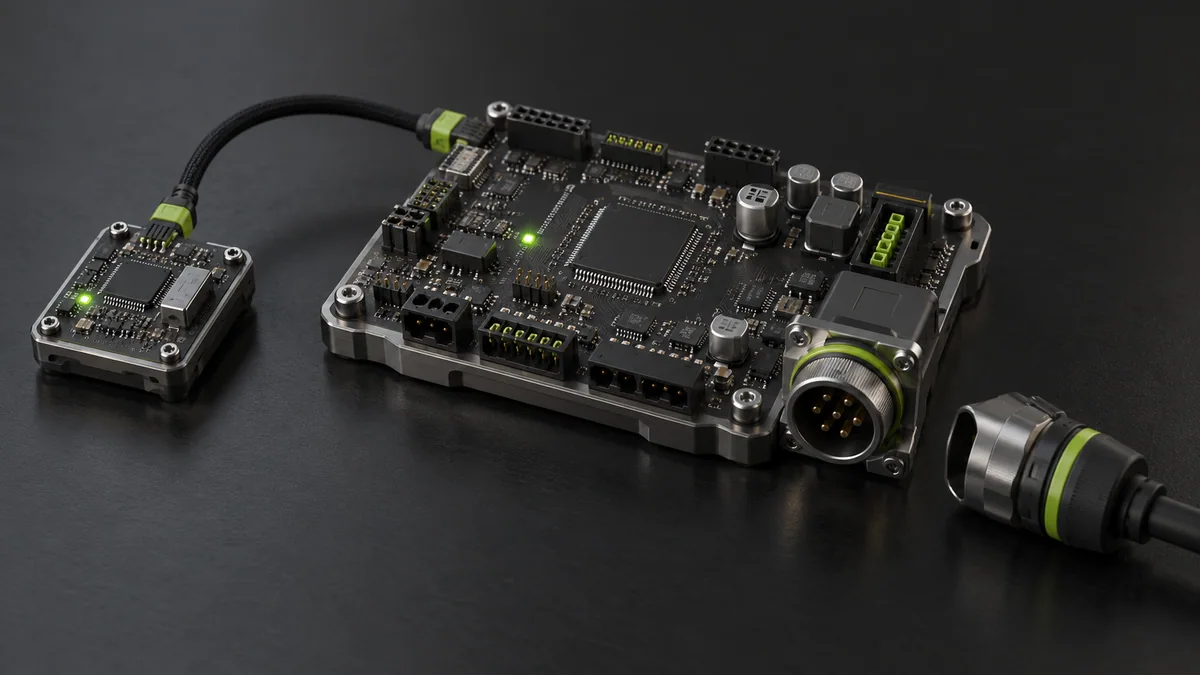
Use a watchdog to detect a stalled robot application
A watchdog can detect missing progress, but only if the signal being monitored represents meaningful healthy work. A timer interrupt that keeps toggling…
Read the practical guide ↗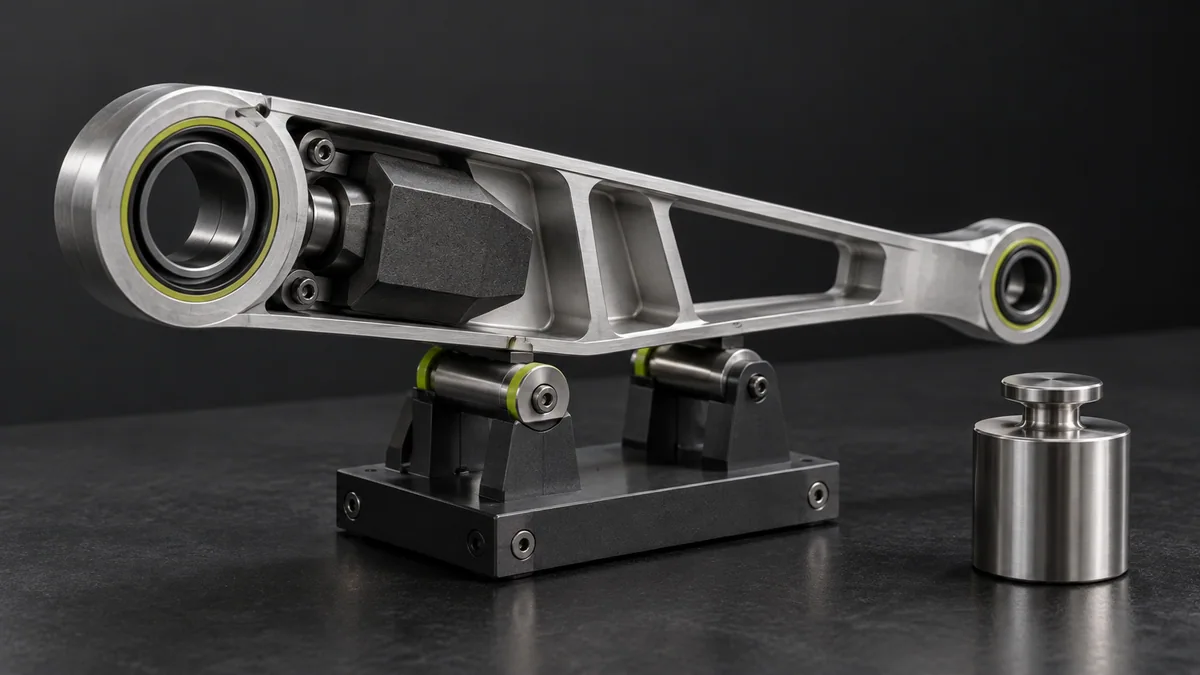
Give a robot simulation physically meaningful mass and inertia
A robot model can look correct while behaving unrealistically because mass or inertia is missing or invalid. Begin with simple link shapes and verify…
Read the practical guide ↗Budget assembly tolerances before printing robot parts
A prototype can fail because several small dimensional deviations add in the same direction. Trace the dimension chain that controls the fit. Do not…
Read the practical guide ↗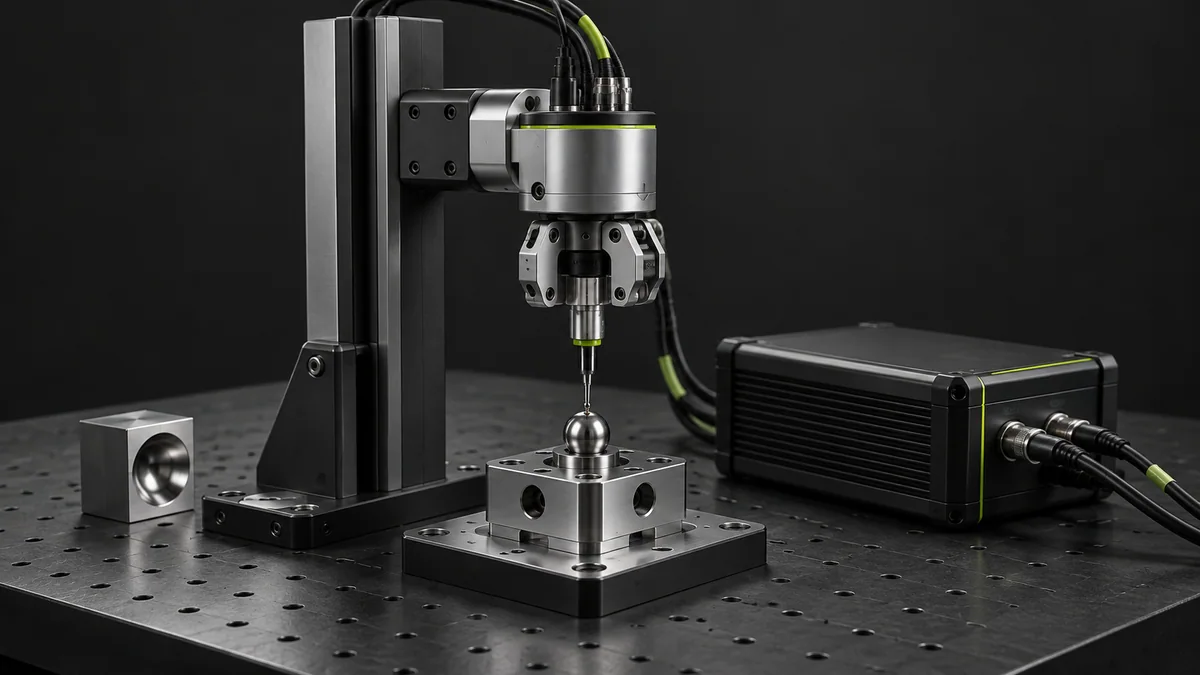
Build a robot verification matrix and release checklist
A robot is not finished when it moves once. Connect each requirement to evidence, configuration and a pass/fail decision. Separate functional…
Read the practical guide ↗