
LEARNING PATH 02 · 25 GUIDES
Image processing with robots
Turn pixels into reliable measurements, then connect perception to robot decisions.
Start with: Basic Python and arrays; a camera, controlled light and a printed target for bench exercises. Start with saved images and no robot connected.
A normal camera or AI detector is not a safety-rated protective device. Test perception offline first. A robot must reject missing, stale, ambiguous or out-of-workspace results; independent safeguarding remains necessary.
From foundations to a working test
25 practical guides
Choose camera resolution from the smallest robot feature
Choose resolution from the feature you must locate, not the largest megapixel number. Estimate how many pixels cover the smallest relevant detail across…
Read the practical guide ↗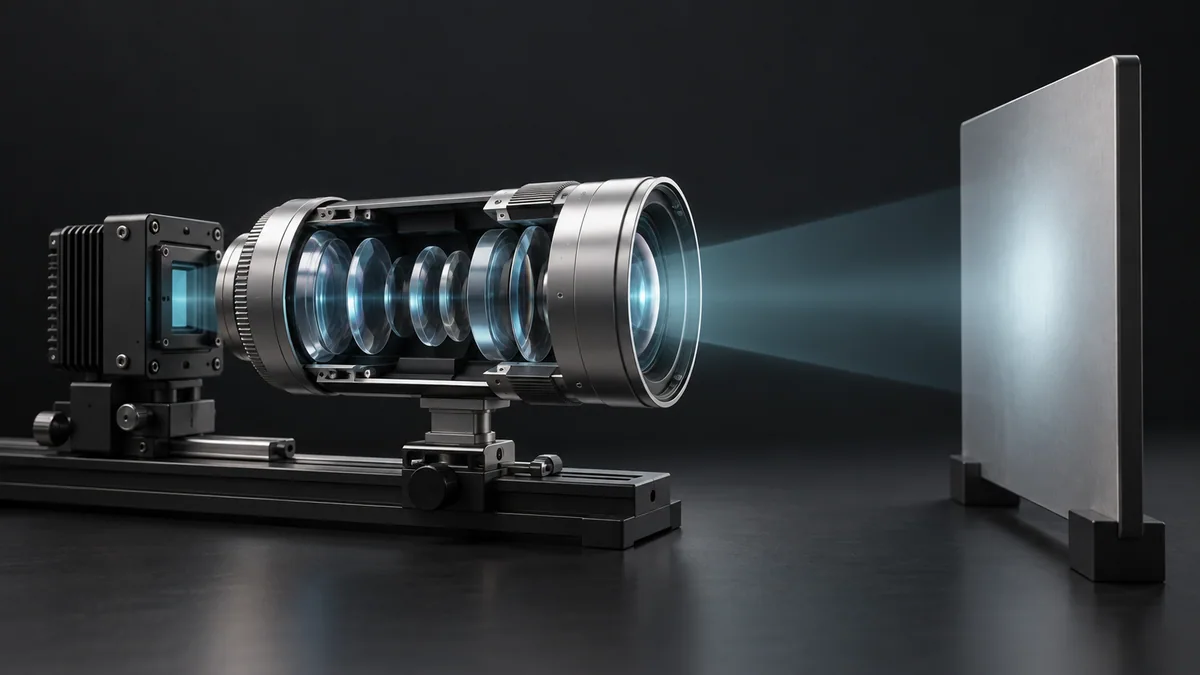
Estimate lens focal length for a robot camera
A lens must frame the task at the available mounting distance. A pinhole approximation gives a starting focal length; real lens selection must also…
Read the practical guide ↗
Limit motion blur before training a detector
A fast detector cannot recover detail that exposure has smeared across the image. Estimate blur from object speed and exposure duration, then improve…
Read the practical guide ↗Measure lighting contrast for a robot inspection
Stable lighting often improves a simple algorithm more than a larger neural network. Compare object and background intensity without saturating either.…
Read the practical guide ↗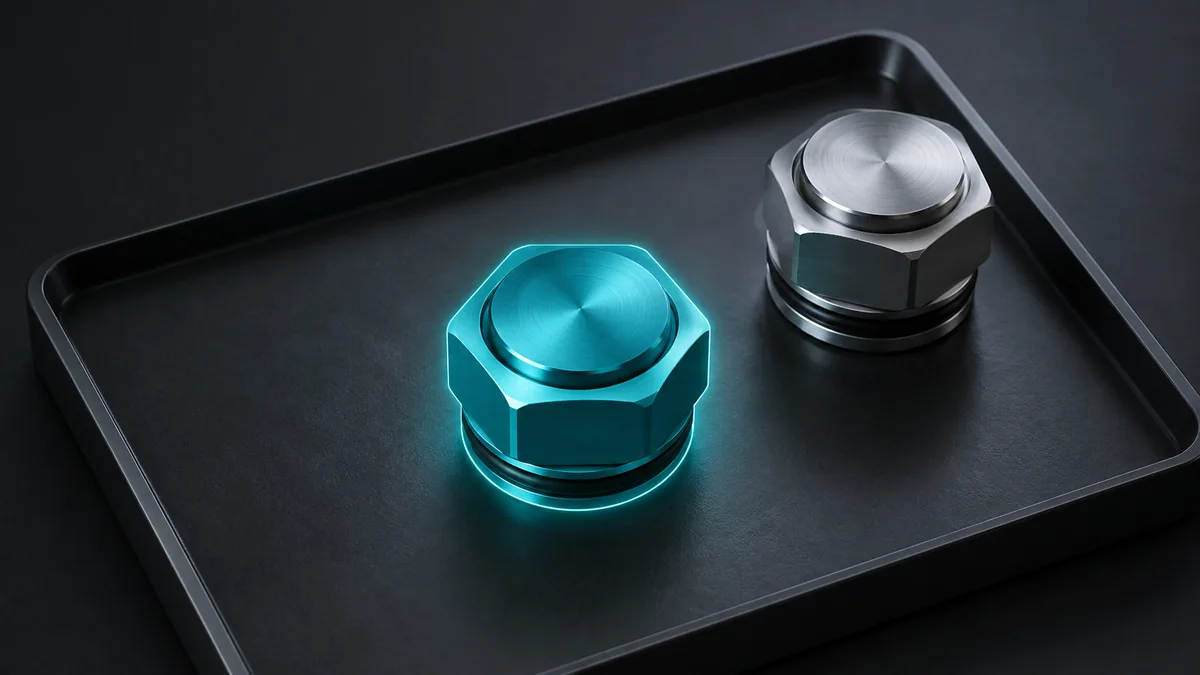
Segment a colored part with an HSV mask
A color mask is a useful baseline when parts have a distinctive color and lighting is controlled. Convert the image into a representation that separates…
Read the practical guide ↗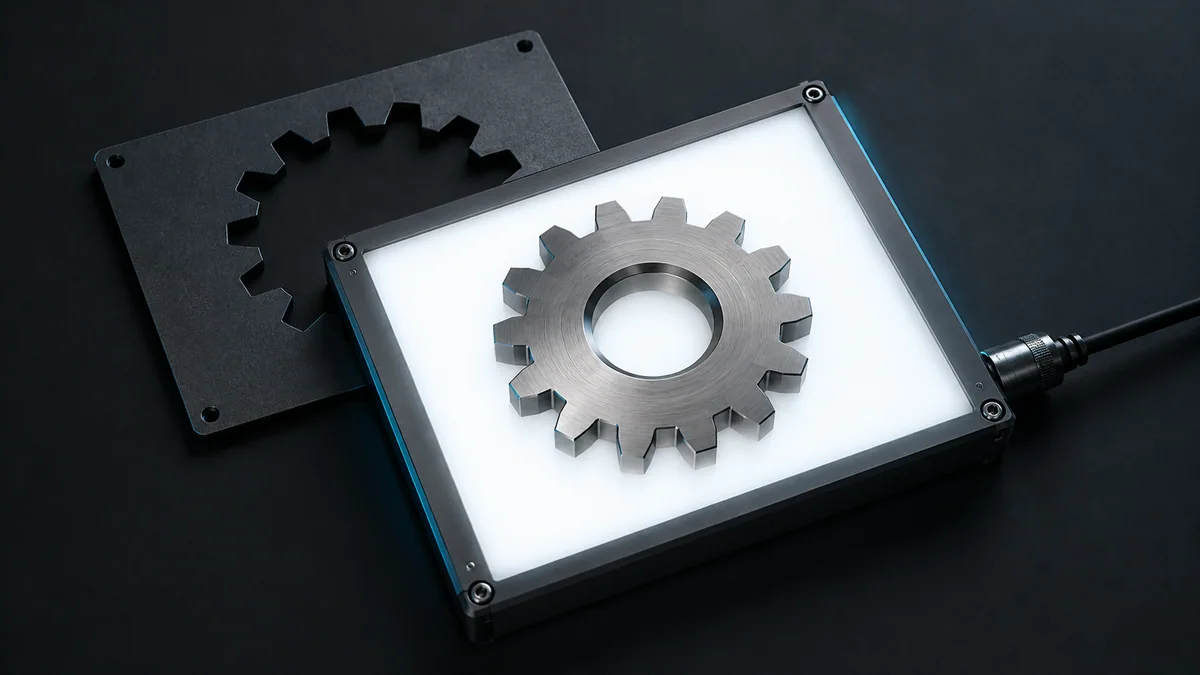
Choose a binary threshold using a saved-image test set
Thresholding separates bright and dark pixels with a decision boundary. It works well for stable silhouettes, but a threshold chosen on one image can fail…
Read the practical guide ↗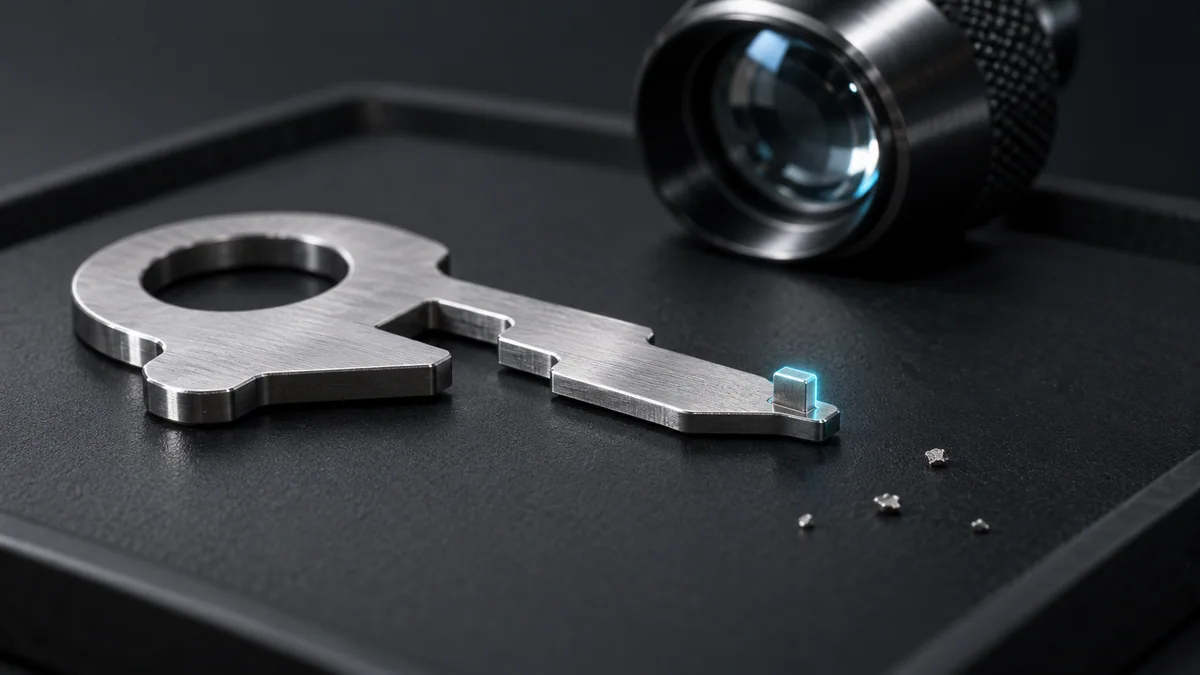
Clean a robot vision mask without erasing small features
Morphological opening can remove isolated foreground noise; closing can fill small gaps. The kernel has a physical size once the image is calibrated.…
Read the practical guide ↗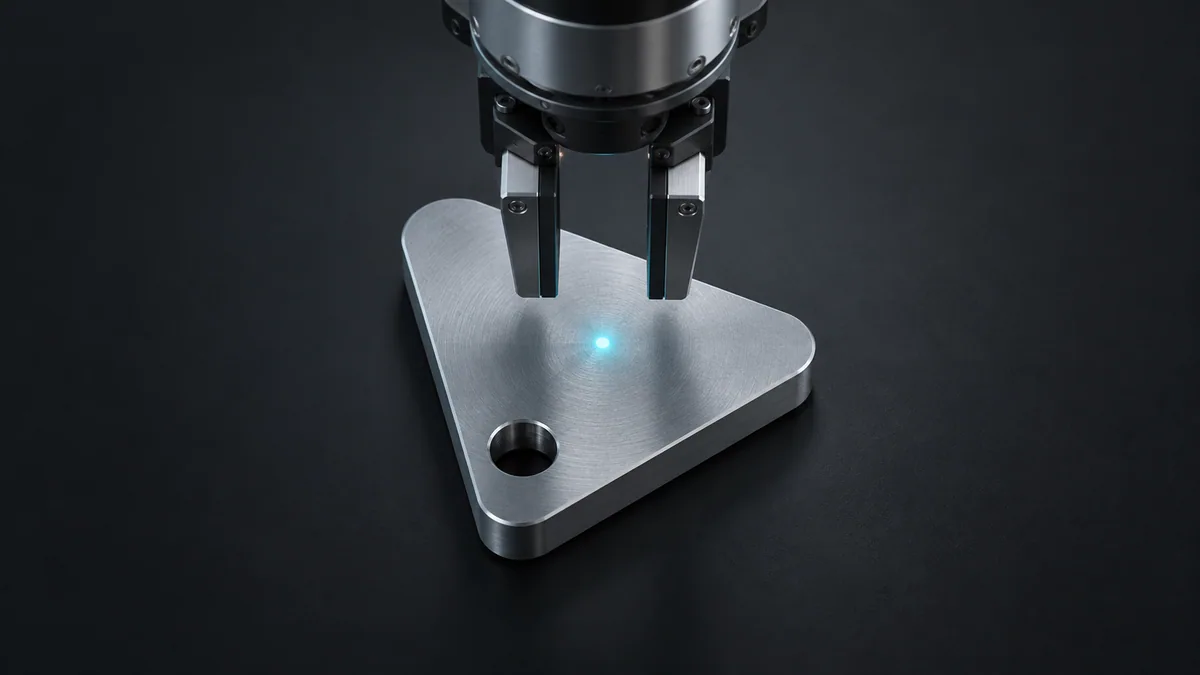
Find a part centroid from image moments
The centroid is a convenient first pick target for a solid, uniformly segmented part. Compute it from the mask or contour and then test whether that point…
Read the practical guide ↗
Estimate an elongated part’s orientation with PCA
A long part has a dominant image direction that can guide a gripper angle. Principal-component analysis finds that direction from foreground pixels. It…
Read the practical guide ↗
Convert pixels to millimeters on a flat workplane
A local scale factor works when the camera view is close to orthographic over a small planar region. It is a useful bench exercise and a quick check of a…
Read the practical guide ↗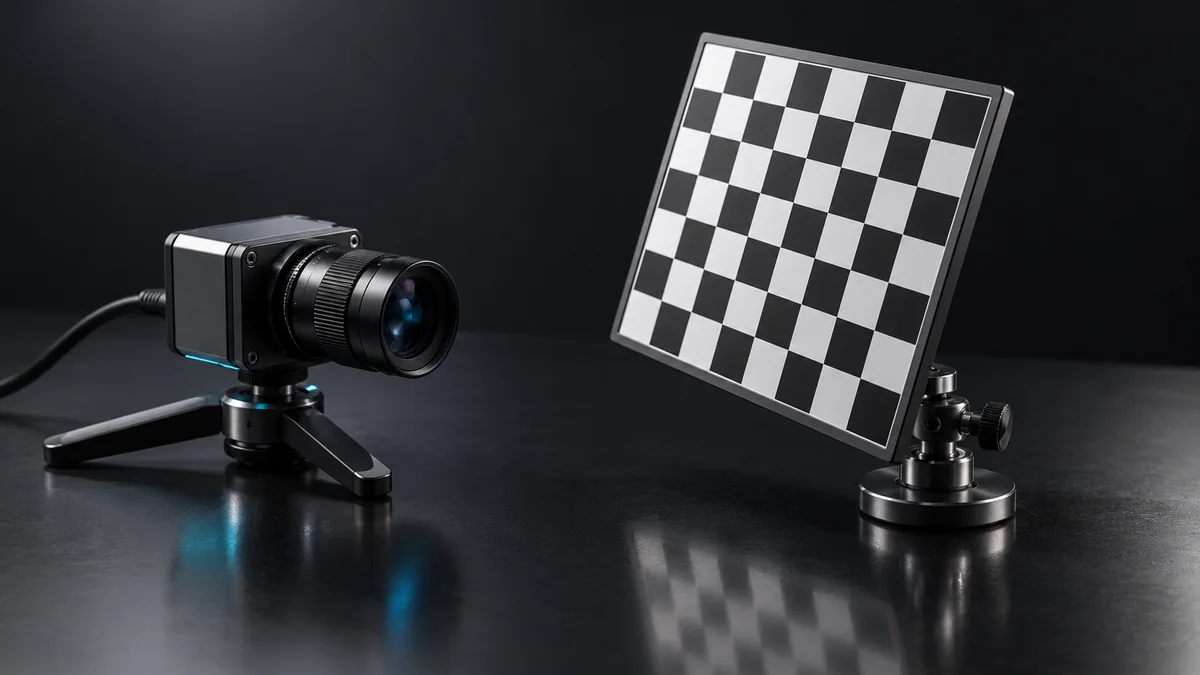
Collect useful images for camera calibration
Calibration estimates how a camera maps geometry into pixels. Good image coverage matters more than collecting many nearly identical frames. Use a flat,…
Read the practical guide ↗
Check radial distortion before using image-edge targets
A straight physical edge can appear curved through a lens. Calibration-based correction should reduce this systematic distortion, especially near the…
Read the practical guide ↗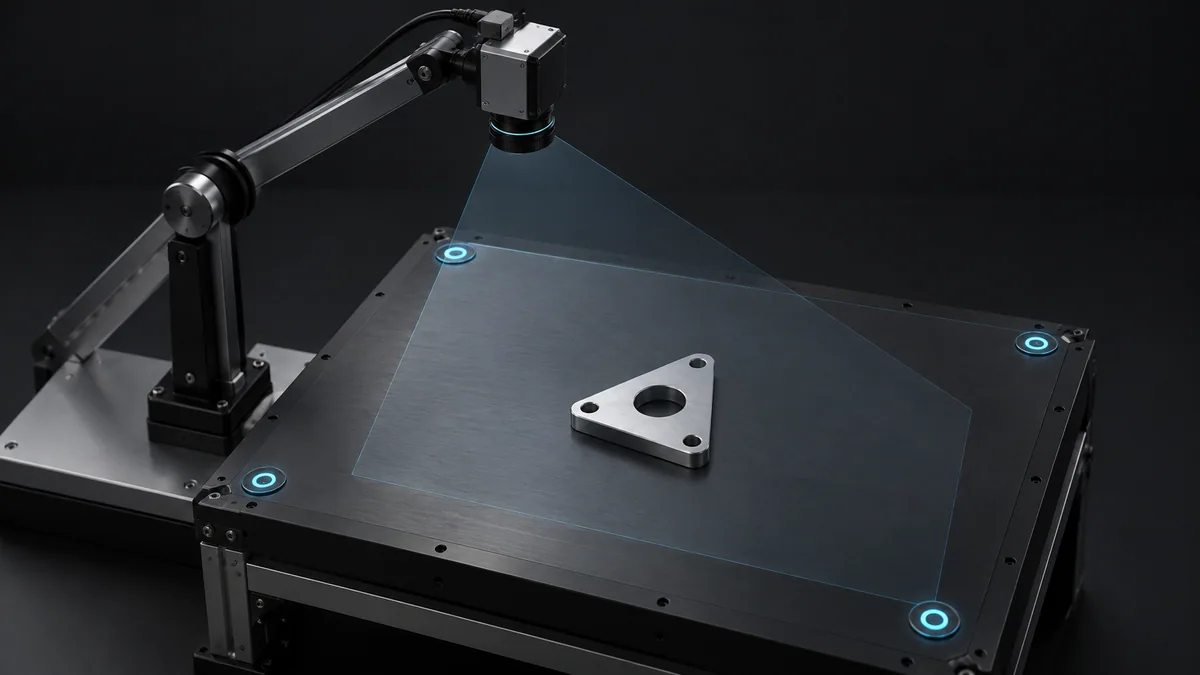
Map image points to a robot table with a homography
A homography maps one plane to another image or coordinate plane. It is useful for a fixed camera looking at a flat picking surface. It does not recover…
Read the practical guide ↗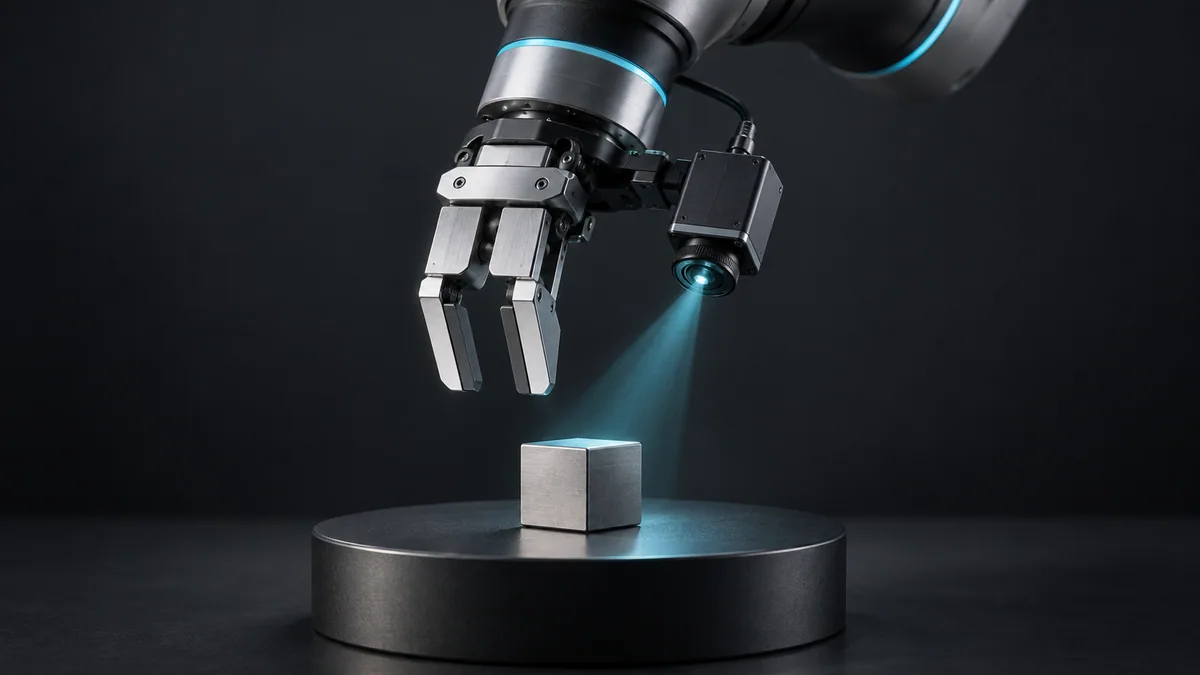
Compose camera and robot coordinate transforms correctly
A detected 3D point is usually expressed in the camera frame, while a robot command needs another frame. Write transform direction explicitly. Most…
Read the practical guide ↗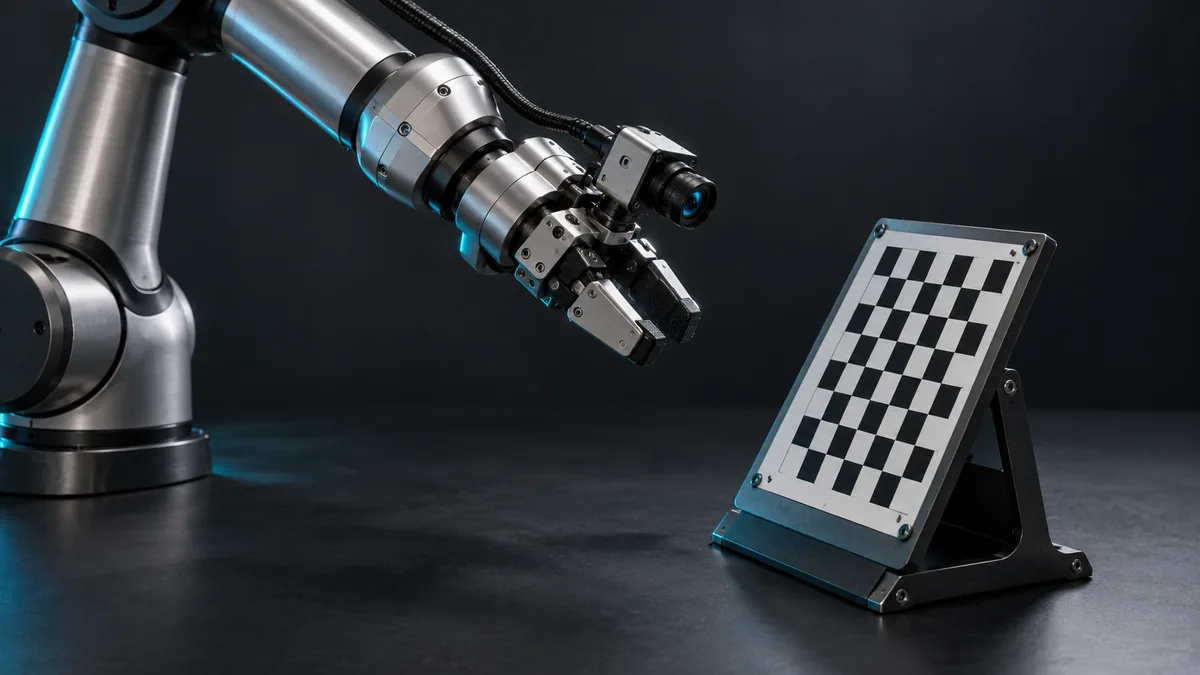
Plan an eye-in-hand calibration dataset
A wrist-mounted camera changes pose with the robot. Hand–eye calibration relates the camera to the tool or gripper frame. Diverse rotations and accurately…
Read the practical guide ↗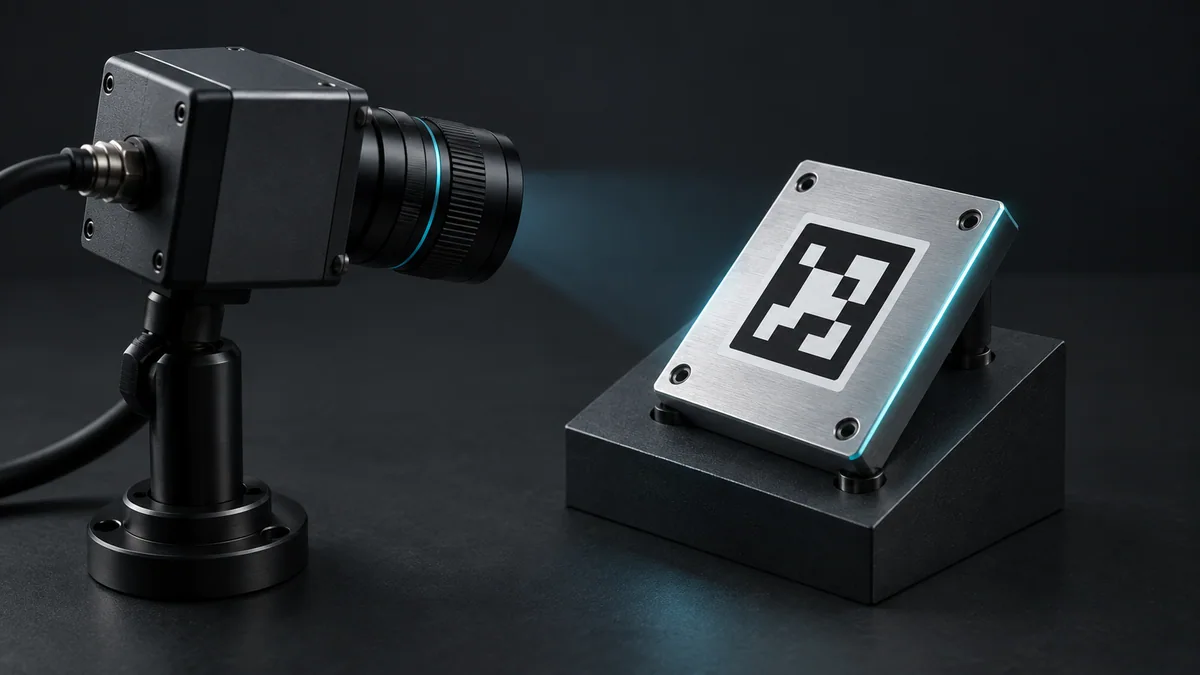
Estimate object pose with a printed fiducial marker
A fiducial marker gives identifiable image corners with known geometry. With calibrated camera intrinsics and the correct physical marker size, pose…
Read the practical guide ↗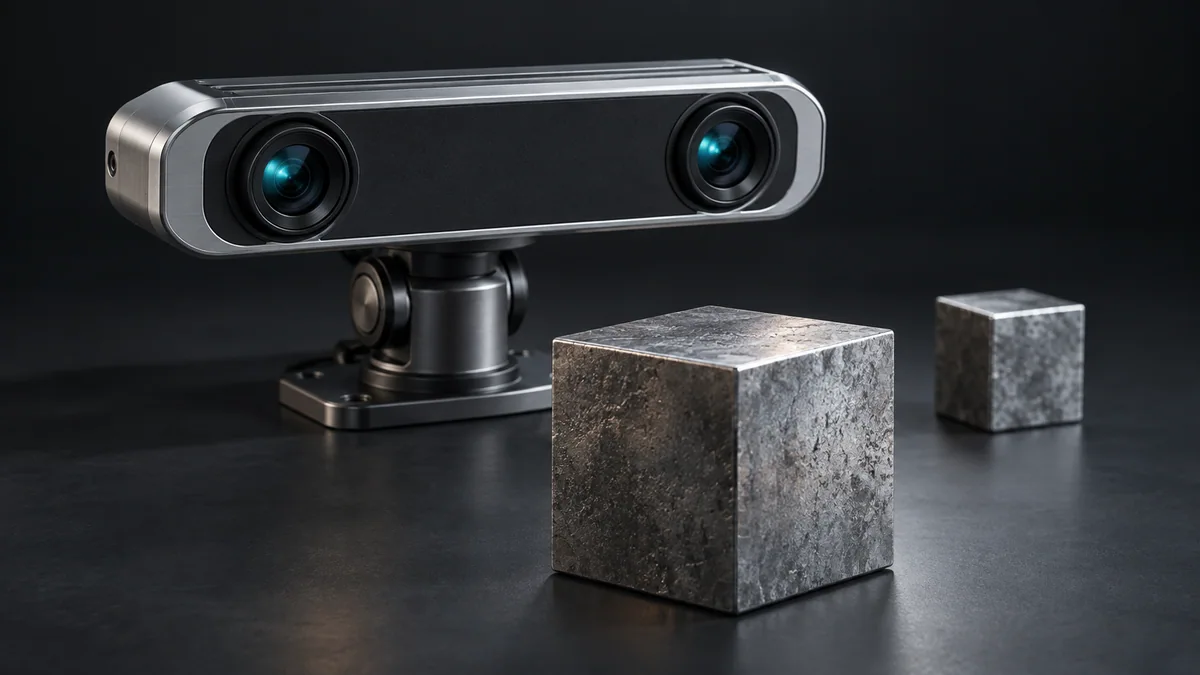
Estimate depth from stereo disparity
Stereo cameras infer distance by comparing corresponding image locations. Depth becomes more sensitive to disparity error as objects move farther away.…
Read the practical guide ↗
Prepare a robot vision dataset without leakage
A model can appear excellent when nearly identical frames occur in both training and evaluation. Split by capture session, part instance or production…
Read the practical guide ↗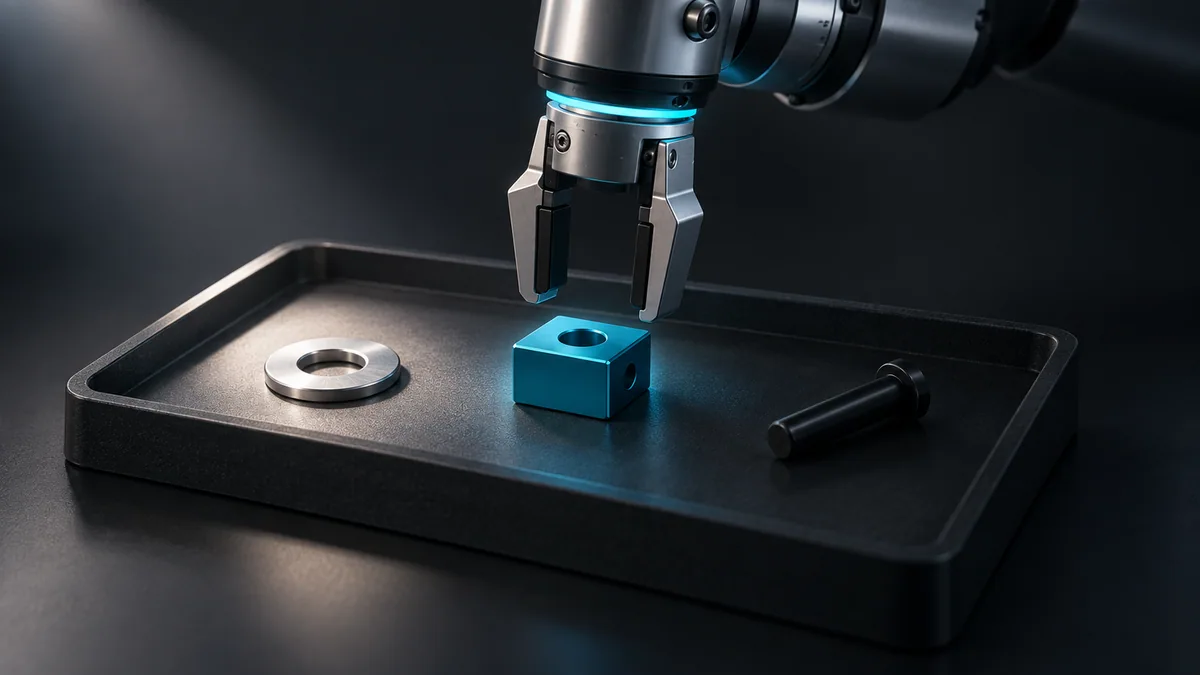
Evaluate a robot detector with precision and recall
A robot may suffer differently from a false target and a missed target. Report both precision and recall so the decision threshold reflects those…
Read the practical guide ↗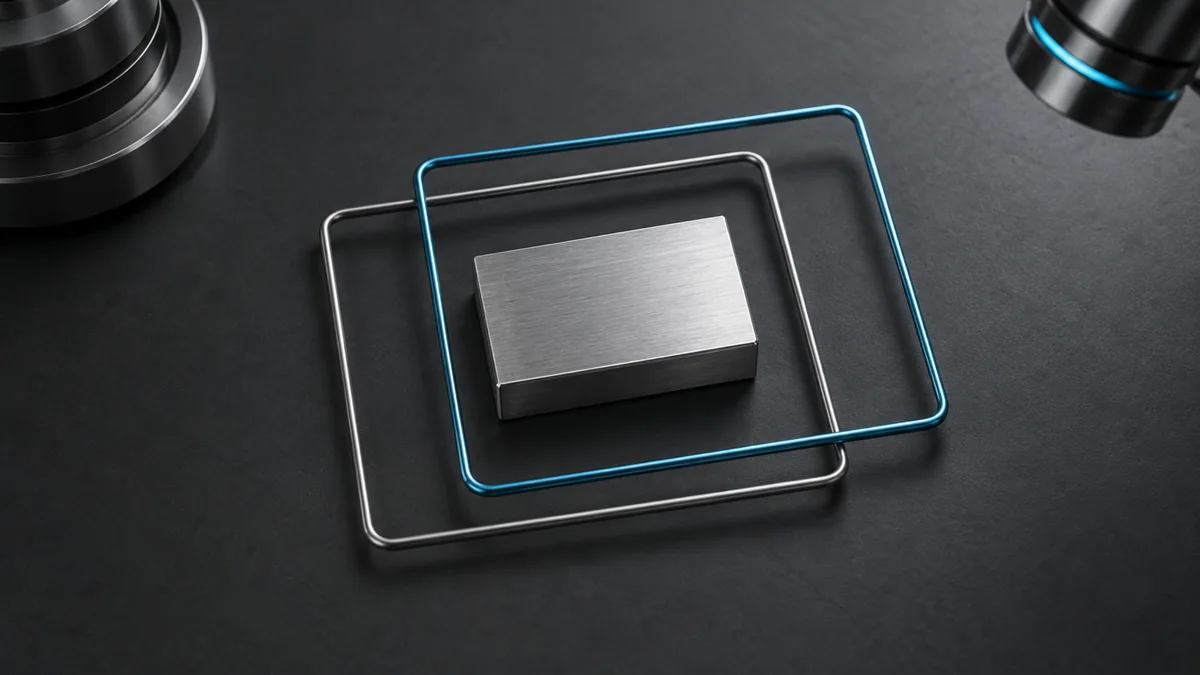
Measure bounding-box overlap with intersection over union
Intersection over union compares a predicted bounding box with a reference. It is useful for defining detection matches, but it does not directly measure…
Read the practical guide ↗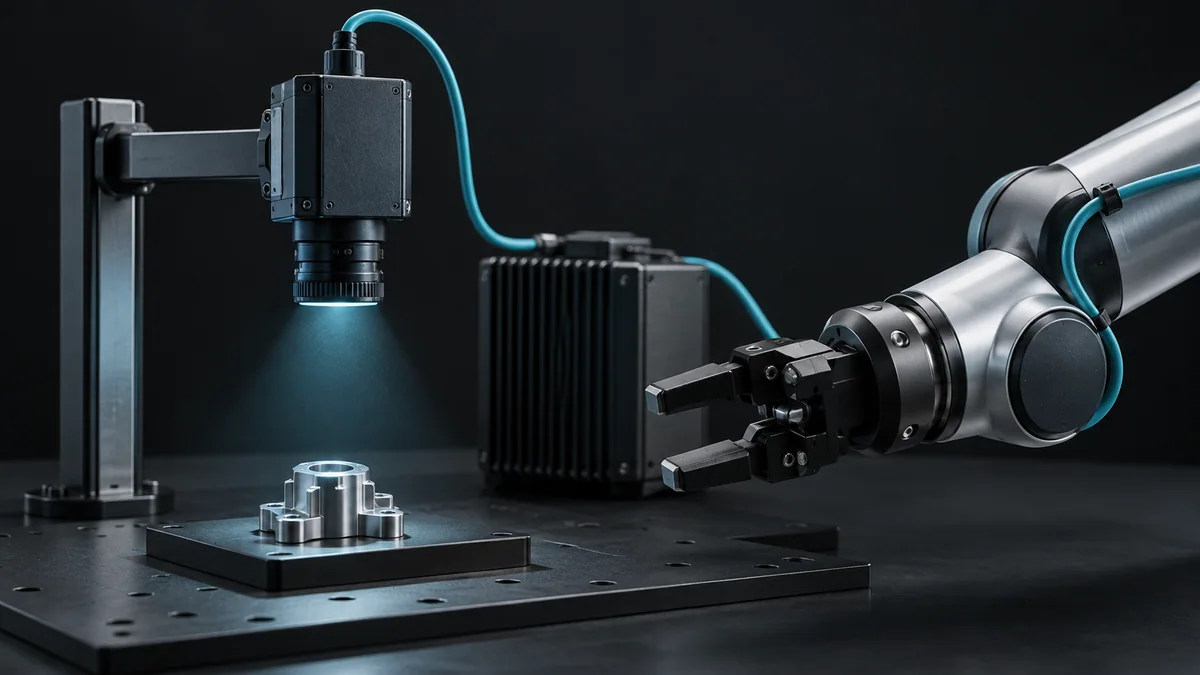
Budget end-to-end latency for vision-guided picking
Inference time is only one part of the delay between a real event and a robot response. Include exposure, transfer, preprocessing, inference, decision and…
Read the practical guide ↗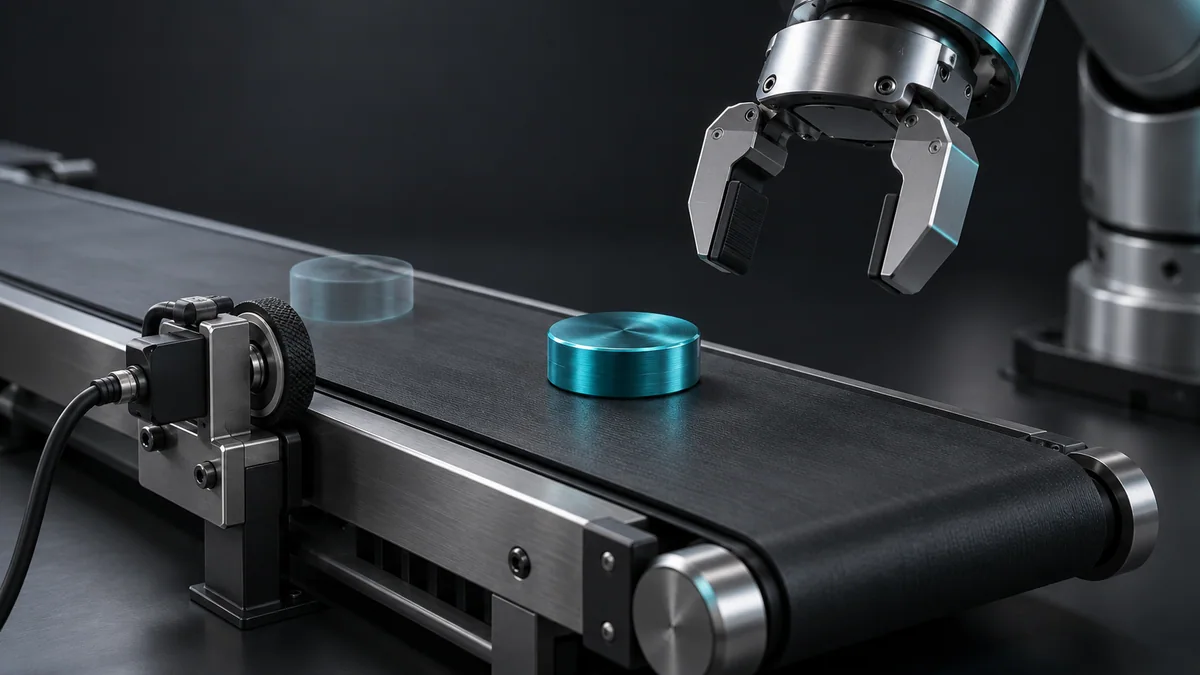
Compensate conveyor motion using capture timestamps
A coordinate measured from an old image describes where a part was, not where it is now. Constant-velocity prediction is a useful baseline when conveyor…
Read the practical guide ↗
Filter a noisy vision target without ignoring lag
Smoothing reduces visible jitter but delays a moving signal. Use an exponential moving average as a simple baseline and evaluate both noise reduction and…
Read the practical guide ↗
Propagate pixel uncertainty into robot position error
Camera localization uncertainty should be expressed in the units used by the robot. A simple local scale converts pixel scatter into millimeters; a…
Read the practical guide ↗
Build a vision-guided picking acceptance checklist
A perception pipeline is useful only when it creates valid, timely and executable robot targets. Test the complete chain with labeled scenarios, including…
Read the practical guide ↗